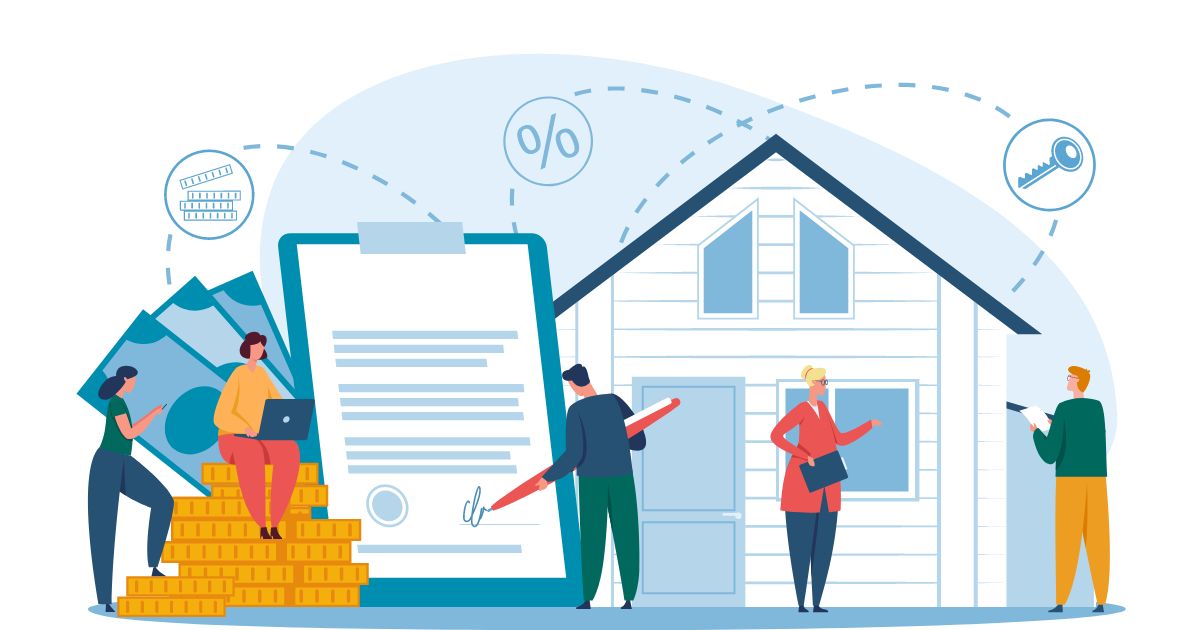
The Convenience of Electronic Notes in Digital Lending

This digital era has brought a lot of revolution in many industries. One of the biggest changes from digitalization is the shift from electronic payments to cash. These adjustments in financial transactions are why mortgage processes rely on digitized systems. Business owners appreciate traditional paper mortgages’ inconvenience and costly nature and are developing applications supporting electronic financial transactions.
What is an electronic note?
An eNote is a promissory note that a borrower signs when applying for a loan. These paper notes obligate a borrower to pay back the loan. One of an electronic note’s most significant features is its digitized form. A borrower will sign a PDF version of the document, which only represents an electronic note. The PDF is not the electronic note: The data underneath the PDF is the electronic note. Borrowers cannot ink-sign electronic notes. These promissory notes require electronic execution. Upon completion of the signing process, an electronic note receives tamper-evident sealing. The final stage is storing an electronic note in an eVault.
Many businesses require agreements to undergo notarization for verification of their authenticity. However, electronic notes do not need notarization. However, most lenders prefer the electronic signing of electronic notes to happen in the presence of a notary in a RON ceremony. However, failure to notarize an electronic note does not affect its validity and legal bond.
What are the benefits of implementing electronic notes?
It is impossible to lose or destroy an electronic note. Most lenders understand the unreliability of traditional paper notes. Once a loan is sold, the lender and borrower must exchange documents. Electronic notes offer more security than traditional paper notes due to the tamper seal on them that prevents their altering.
Another benefit of adopting electronic notes is the reduced costs associated with the application. It is unnecessary to incur shipping costs for a document to reach a lender or borrower. Moroever, it is easy to retrieve the history of electronic notes via MERS® eRegistry: This makes electronic notes more valuable to investors than their traditional paper counterparts.
What should you consider during your electronic note experience?
One of the most convenient ways to adopt electronic notes is to begin your journey with a hybrid eClose solution. An eClose process for ancillary documents makes transitioning to electronic notes seamless for lenders. The following are some of the considerations to make before transitioning to electronic notes:
- Who are your customers in the secondary market?
- Do you need approvals before using electronic notes?
- Do you plan to continue retail servicing?
Steps to get started with electronic notes
- Appreciate the evolution of electronic notes in this digital era: The digital world is constantly changing, offering opportunities for diversity. It would help if you analyzed your workflow to appreciate potential opportunities to adopt electronic notes.
- Familiarize yourself with different vendors: Only settle on a specific vendor if you are aware of what is available.
- Start small: You have a higher chance of success if you adopt a hybrid eClose approach before adding electronic notes into the equation.
- Employ efficient loan officers: The surest way to succeed in your mortgage business is to have the right loan officers. These employees set the best expectations for closings before the actual transaction, thus giving you an easy time.
What are the electronic note formatting and registration considerations you should know?
There is a standard for formatting, storing, and registration of electronic notes that investors in the mortgage industry follow. According to the Mortgage Electronic Registration System (MERS® eRegistry), the electronic note’s holder has equal rights to the Holder in Due Course of the paper negotiable promissory note. MISMO is the standards body for the mortgage industry, necessitating electronic notes storage in an eVault, which tracks activity regarding the asset.
You must collaborate with a trusted technology partner that provides a comprehensive and secure eClosing platform. The right technology partner will offer a digital mortgage solution with straightforward electronic note creation, allowing seamless digital eClosing. However, lenders who work with trusted technology providers like Wolters Kluwer can receive secure storage and management of their electronic notes in an eVault. This strategy ensures reliable mortgage servicing and electronic note movement to the secondary market.