The Financial Benefits Of Refinancing Your Car Loan

Refinancing your car loan can be a smart financial move that can save you money in the long run. While many people may be hesitant to take on the additional paperwork and effort that comes with refinancing, the benefits are undeniable. In this article, we’ll explore the financial benefits of refinancing your car loan and why it may be a good decision for you.
What Is Refinancing A Car Loan?
Before we dive into the financial benefits of refinancing car loans, let’s first define what it means to refinance. Refinancing is the process of replacing an existing loan with a new loan that has more favorable terms. In the case of car loans, refinancing involves taking out a new loan to pay off your existing car loan, with new terms that are more favorable to you.
Why Refinance A Car Loan?
There are so many reasons why you might consider refinancing your car loan. The most common reason is to save money. By refinancing to a lower interest rate, you can reduce your monthly car payment and save money over the life of your loan. Another reason to refinance is to change the length of your loan term. For example, if you’re struggling to make your monthly car payments, you could refinance to extend the length of your loan term, which would lower your monthly payments. Conversely, if you have more disposable income and want to pay off your car loan faster, you could refinance to a shorter loan term with higher monthly payments.
Now that we’ve established why someone might want to refinance their car loan, let’s explore the financial benefits in more detail.
Lower Interest Rates Mean Lower Monthly Payments
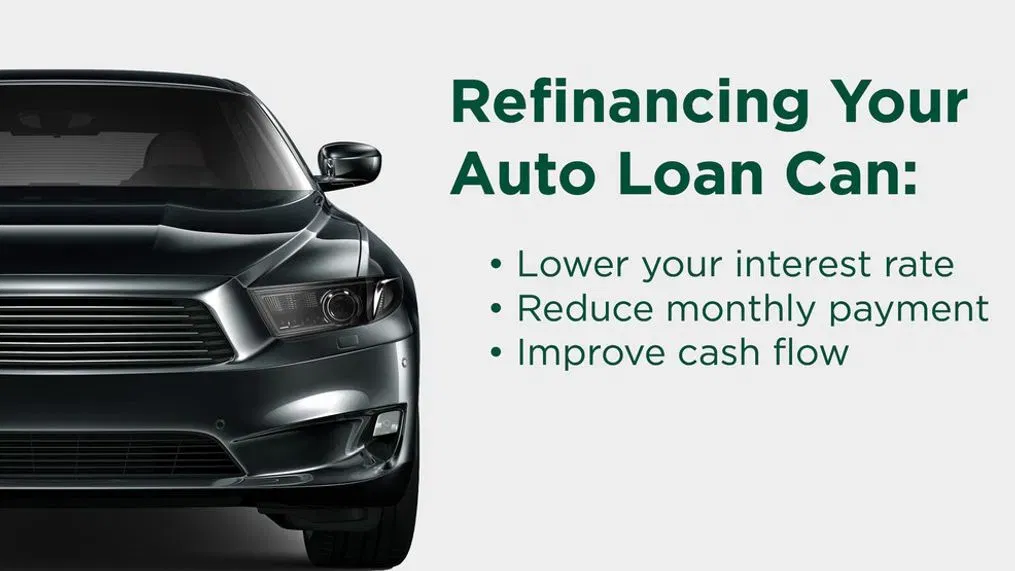
The most significant financial benefit of refinancing your car loan is the potential to lower your interest rate, which in turn can lower your monthly payments. If you have a good credit and stable income, you may be able to qualify for a lower interest rate than when you originally financed your car. For example, if you have a car loan with a 7% interest rate and you’re able to refinance to a 4% interest rate, you could potentially save hundreds of dollars per month on your car payment.
Reduced Overall Interest Paid
In addition to lower monthly payments, refinancing your car loan can also reduce the overall amount of interest you’ll pay over the life of your loan. Let’s say you have a car loan with a $20,000 balance and a 7% interest rate over a 60-month term. By the end of the loan, you’ll have paid $4,240 in interest alone. However, if you were able to refinance that same loan to a 4% interest rate, you’d only pay $2,505 in interest over the life of the loan, saving you $1,735 in interest charges.
Shorter Loan Terms Can Save You Money
Another financial benefit of refinancing your car loan is the ability to change the length of your loan term. If you’re currently struggling to make your monthly car payments, you may be able to refinance to a longer loan term, which would lower your monthly payments. However, keep in mind that this would also mean paying more in interest charges over the life of the loan.
On the other hand, if you have more disposable income and want to pay off your car loan faster, you could refinance to a shorter loan term with higher monthly payments. While this may not lower your monthly payments, it can save you money in the long run by reducing the amount of interest you’ll pay over the life of the loan.
No Prepayment Penalties
When considering refinancing your car loan, it’s important to check for any prepayment penalties on your current loan. Prepayment penalties are fees that some lenders charge if you pay off your loan early, which can negate any potential savings you would receive by refinancing. However, many lenders do not charge prepayment penalties, so it’s worth checking with your lender to see if there are any fees associated with paying off your loan early.
Lower Monthly Payments Can Free Up Cash Flow
Another financial benefit of refinancing your car loan is the potential to lower your monthly payments, which can free up cash flow for other expenses. This can be particularly beneficial if you’re facing financial hardship or unexpected expenses, as it can provide some relief in your monthly budget.
Improve Your Credit Score
Finally, refinancing your car loan can also improve your credit score. When you refinance your loan, the new lender will pay off your old loan, which can improve your credit utilization rate. Additionally, if you’re able to make your new payments on time, this can improve your payment history, which is the largest factor in determining your credit score.