How Technology Is Changing Building Restoration

Preserving the past often seems at odds with the needs of the future, but new tools now bridge that gap. Building restoration, a long-standing craft, is going through a major shift, moving from repairs after problems appear to planned, data-driven care. This work is about more than fixing old structures; it’s about giving them new life so they are stronger, greener, and useful today.
New tools and methods are reshaping every step, from early checks to ongoing upkeep. For example, access systems like suspended scaffolding help teams reach hard spots safely and quickly, allowing precise work with less disruption.
Blending traditional skills with modern tech is building a future where historic architecture can grow, not just survive.
The main shift is to make restoration smarter, faster, and more accurate. Technology helps with hands-on work and also improves our knowledge of historic buildings so decisions respect the past and plan for the future.
With this change, buildings-whether landmarks or commercial sites-are restored to look good and to be safe, energy-efficient, and ready for modern use. It’s a careful balance between authenticity and innovation, and technology is setting the pace.
What Are the Drivers of Innovation in Building Restoration?
The rise of new ideas in restoration comes from several needs and goals:
- Growing public interest in saving architectural heritage as a record of our shared history.
- Threats from time, weather, pollution, and conflict that put old structures at risk.
- Adaptive reuse, which gives old buildings new purposes, cuts waste, and avoids the impact of new construction.
- Stricter codes, safety requirements, and accessibility needs for today’s users.
- Older materials and methods that call for advanced tools to inspect and plan repairs accurately.
Modern restoration aims to extend a building’s life and meet environmental goals while keeping its character. The work often involves careful upgrades that improve safety, access, and performance without losing historic detail.
Which Technologies Have the Greatest Impact on Restoration Projects?
Several tools are changing how teams plan and deliver restoration. Laser scanning, thermal cameras, and drones give detailed, early insight into a building’s health. These tools help find weak spots, hidden damage, and failing materials-often before any physical work starts.
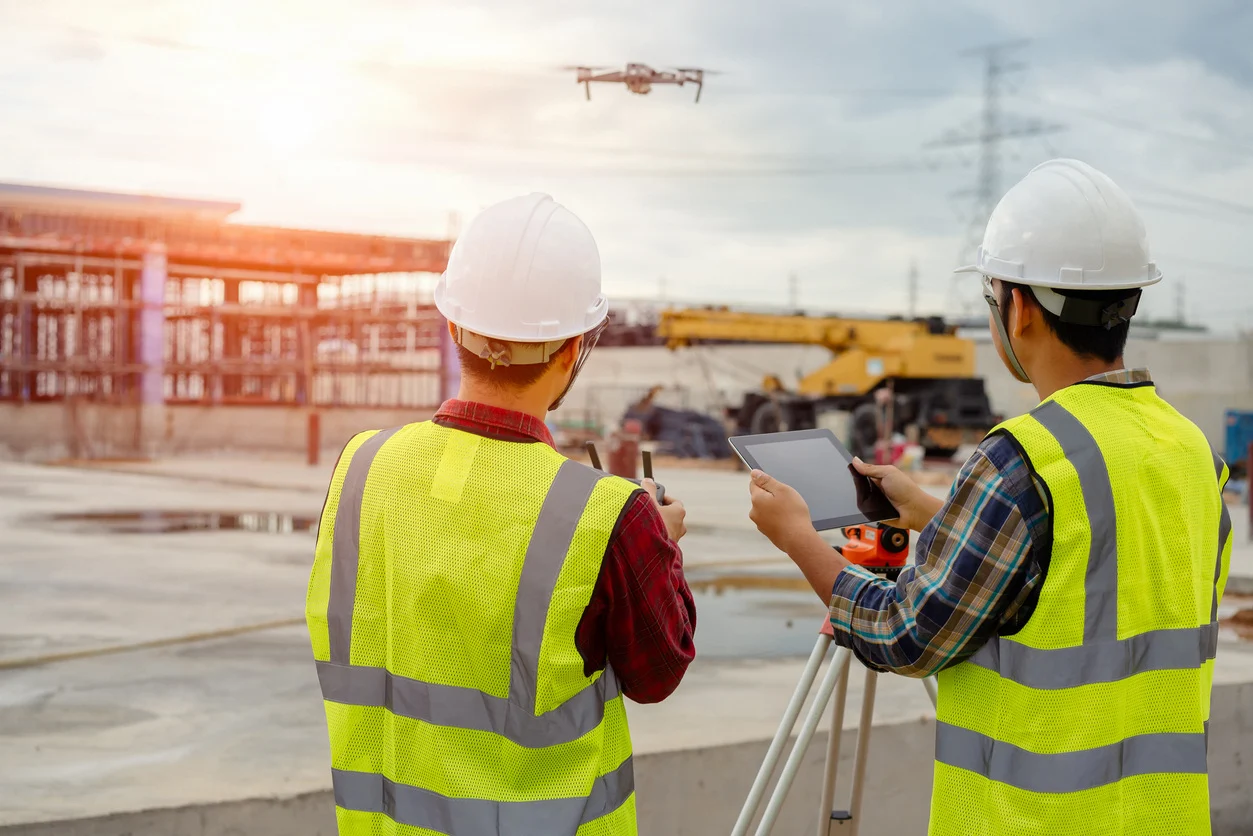
Drone surveys with high-resolution and thermal sensors quickly cover tough areas and gather key data without heavy scaffold or risky manual checks.
Beyond discovery, Building Information Modeling (BIM) and Historic Building Information Modeling (HBIM) help teams plan and manage work through smart 3D models that capture structure, materials, and systems. These models cut waste, reduce errors, and keep a record of repairs.
New materials, like nano-coatings, can protect surfaces from pollution and weather, lowering future upkeep. Systems such as DOFF Steam Cleaning offer careful cleaning, while data platforms keep information organized and ready for action.
| Technology | Main use | Key benefit |
| Drones + Thermal Imaging | Survey roofs, facades, hard-to-reach areas | Fast, safe inspections with less disruption |
| Laser Scanning / 3D Scans | Create accurate models and condition records | Millimeter-level detail for precise planning |
| BIM / HBIM | Plan, coordinate, and document repairs | Fewer errors and better team alignment |
| Advanced Coatings | Protect against weather and pollution | Lower long-term maintenance needs |
Emerging Technologies in Building Restoration
New tools are changing how teams inspect, plan, and carry out restoration. These advances bring better accuracy, faster workflows, and greener methods across the board.
Artificial Intelligence for Building Assessment and Design
Artificial intelligence (AI) is becoming a core tool for protecting historic buildings. AI-guided drones and computer vision scan interiors and exteriors. Machine learning spots fine cracks, moisture paths, and other weak areas that the eye can miss, helping engineers build 3D models that highlight urgent needs.
AI also supports future-proof planning. By reading old records, images, and drawings, it helps identify original details so teams can respect historic intent. Predictive tools help builders avoid issues and plan budgets with more accuracy. Generative design explores layout options that keep character while improving use of space and suggesting materials that fit both old and new styles.
3D Scanning and Modeling for Millimeter-Precision Diagnostics
Detailed 3D scans are now a standard part of many projects. With a single walk-through, teams can capture a precise digital record that owners, managers, contractors, and insurers can use from anywhere. The models are often accurate to a few millimeters, giving a clear picture of current conditions.
This level of detail matters for finding small flaws, recording existing details, and planning work with high accuracy. For heritage sites, it helps reproduce fine features and preserve original character. It replaces guesswork with measured data, guiding every step of the project.
Building Information Modeling (BIM) and HBIM for Heritage Documentation
BIM creates smart, 3D representations of buildings and their systems. HBIM adapts this method for historic sites and their unique challenges. It offers a single place to store drawings, history, material data, and maintenance records.
HBIM links detailed information to 3D elements, giving interactive views that help teams make better choices. Architects, conservators, engineers, and owners can all access the same up-to-date data, keeping everyone aligned. Different levels of modeling can match budgets and goals, with more detail applied where preservation matters most. This approach cuts risk and supports long-term care.
Digital Twin Technology for Real-Time Monitoring and Maintenance
Digital twins-widely used in aerospace-are now common in building care. A digital twin is a virtual copy of a building that stays updated as changes happen, serving as a live record for planning and upkeep.
Linked to Internet of Things (IoT) sensors, a digital twin can report temperature, humidity, and more from anywhere. This live view supports preventive maintenance by spotting issues early. The digital twin of Saint Peter’s Basilica in Rome, built from nearly 400,000 high-resolution images processed by AI, even helps experts detect micro-cracks and other early warning signs.
Drones and Robotics in Restoration and Inspection
Drones with high-resolution and thermal cameras make inspections faster and safer, reducing the need for large scaffold or risky climbs. They identify damage and collect clear visual data that guide better plans. This improves worker safety and speeds up early project stages.
Robotics are starting to support hands-on tasks. Early examples include automated cleaning systems like DOFF Steam Cleaning, which uses hot steam to remove grime without harming surfaces. In time, more capable robots may handle careful repairs and assembly in tight or risky areas.
Improving Structural Assessments and Diagnosis
The core of any successful restoration is a clear, accurate view of the building’s condition. Traditional visual checks can miss hidden problems. Today’s tools give deeper insight with less guesswork.
How Advanced Imaging Improves Building Analysis?
Thermal cameras spot temperature changes that mark moisture, insulation gaps, or hidden leaks. Teams can target the exact source of trouble and avoid tearing into walls to find it.
High-resolution photos, often captured by drones, create detailed records inside and out. With photogrammetry, these images form accurate 3D models that document pre-work conditions and highlight cracks and material wear. This visual record supports focused, effective plans.
Non-Destructive Testing Methods and Their Benefits
Non-destructive testing (NDT) checks structural health without harming the original fabric. Ground-penetrating radar maps hidden elements and voids in walls and foundations. Ultrasound tests material quality and finds internal flaws. Infrared thermography reveals thermal bridges and moisture paths.
NDT delivers key insights while keeping historic materials intact. This is very important at heritage sites. It is also faster and less disruptive than invasive methods, which speeds projects and cuts costs. As experts like Jeff Callinan of JE Dunn note, smart use of tech helps teams avoid surprises in historic work.
Improving Accuracy With a Degree of Reliability
Old records can be out of date or wrong. To manage this, some firms use a “degree of reliability” score to rate data sources (for example, from 1 to 5). A “5” means the data is proven and current; a “1” means it is wrong or outdated.
These ratings are woven into HBIM and digital twins. Anyone can click an item in the model to see its data, source, and reliability rating. This method lowers risk from bad data, so choices rest on the best information available. Every item-from past Historic Structures Reports to new point cloud scans-is checked for current accuracy before use.
Preserving Historical Buildings With Modern Technology
Historic buildings stand out for their design and character, but they often predate today’s standards and materials. Modern tools help solve these problems so we can keep the past alive while making spaces useful now and in the future.
Balancing Conservation and Restoration
Conservation aims to hold the current state and slow decay with minimal change. Restoration may bring a place back to a known earlier state, which can call for more work. Technology helps manage this balance by providing clear data and predictions.
AI reviews old drawings and photos to find original features, guiding work that respects the building’s intent. NDT checks allow teams to judge material health without damage, informing when to conserve and when to restore. The goal is to improve use and access while keeping character, and to meet code and safety needs without erasing the story in the building’s fabric.
Digital Archiving for Heritage Protection
Digital archiving creates a lasting record of historic places, from detailed 3D scans to HBIM models and full documentation. The digital twin of Saint Peter’s Basilica, accurate to the millimeter, built from nearly 400,000 images, is a strong example.
- Research: Detailed records support study of history, methods, and changes over time.
- Recovery: If a site is damaged or lost, digital data supports accurate rebuilding and faithful detail work.
- Prevention: Long-term tracking and risk simulations help spot problems early and plan protective steps. Tools like HeritageWatch.AI use satellite images and AI to forecast risks.
Applications of Virtual and Augmented Reality in Restoration Projects
Augmented Reality (AR) overlays digital models onto the real site so teams and clients can see proposed changes before work starts. This helps show the potential of underused buildings and speeds decisions.
Virtual Reality (VR) builds immersive walk-throughs where stakeholders explore options and spot issues without touching the structure. At the Alhambra in Spain, a virtual lab helps teams test quake risks and compare conservation plans. These tools improve teamwork and help the public connect with restored places.
Proactive Conservation Through Data and Automation
Restoration work is moving from fixing problems after they appear to preventing them. Better data, analytics, and automation make this possible.
Real-Time Sensor Monitoring for Structural Health
IoT sensors track temperature, humidity, vibration, stress, and material wear across a building. Think of them as a nervous system that flags changes fast.
Connected to a digital twin or a building management system, as done at the Michigan State Capitol, teams can watch conditions by zone through a simple web view. This steady stream of data gives a clear read on building performance. With early signs-like micro-cracks spotted in Saint Peter’s Basilica-teams can act before small issues become big repairs. This approach cuts downtime and makes maintenance more effective.
How Data Analytics Supports Preventive Maintenance?
Sensor data gains real value through analytics. AI can read large data sets, find patterns, predict wear, and recommend the best maintenance steps. This turns conservation from reactive work into planned care.
Models can forecast the effects of climate change, earthquakes, high winds, and daily use. At the Alhambra, a digital twin helps plan for quakes and extreme weather. By comparing carbon impacts, AI also supports greener choices, like reused or local materials. With better forecasts, owners can set priorities, allocate budgets well, schedule at the right time, extend the life of structures, and lower overall costs.
Improving Project Efficiency and Cost Optimization
Restoring older buildings can be complex, slow, and costly. New tools help teams plan better, cut waste, and reduce both timelines and budgets, making projects more practical.
Reducing Restoration Costs With Smart Design Recommendations
AI-driven design tools try many layout and construction options in minutes and highlight those that meet rules, respect heritage, and cost less. They can propose space plans that work better and materials that fit both the old style and modern needs while meeting budget targets.
By simulating energy use, AI also points to the most effective upgrades and suggests modern systems that improve performance without hurting original design. This reduces long-term bills and may qualify projects for green incentives. AI can also provide realistic estimates and schedules, which helps avoid surprise costs and delays.
AI-Driven Scheduling and Resource Management
Project planning in restoration involves special skills and sensitive materials. AI tools review scope, supply timing, and labor availability to build better schedules. They coordinate deliveries and match scarce specialists to tasks at the right time.
Modern software tools track jobs, equipment, and communication in one place, predicting bottlenecks and adjusting resources. Live updates keep everyone aligned. This cuts admin time, keeps work on track, and saves money. With data and automation, restoration becomes steadier and easier to manage.
Challenges and Ethical Considerations in Technology-Driven Restoration
Tech brings big benefits, but it also comes with risks and ethical questions. Handling these well is key to long-term success in heritage work.
Potential Risks of Technology Use in Historic Sites
Advanced tools can harm delicate materials if used poorly. For example, laser cleaning can cause erosion if misapplied. Sensors or other devices must be installed with care so they do not affect appearance or structure.
Over-reliance on tech can also reduce traditional skills. While AI can guide decisions, skilled craftspeople still provide the hands-on knowledge that heritage projects need. Digital files can also age out, so long-term care and migration plans are needed to keep records usable.
Addressing Data Privacy and Digital Security
Detailed scans, models, and live sensor data raise privacy and security questions. Public buildings and sensitive sites need strong protection against unauthorized access. A digital twin can hold a full record of a building and is valuable to attackers if left exposed.
Clear cybersecurity and data policies are key. Define data ownership, access, storage, and use. For heritage sites, cultural sensitivity adds another layer, so careful handling and review are needed. Collaboration among AI teams, designers, conservators, and policymakers will help set fair rules and protections.
Maintaining Authenticity While Adopting Innovation
Keeping authenticity is a core value in heritage work. The charm of old buildings lies in their materials and craft. Modern features must support that story, not erase it.
AI-generated layouts should respect original design intent. New materials, even greener or stronger ones, must fit the building’s look and makeup. The aim is for technology to support cultural heritage. That calls for sound preservation ethics and careful use of new tools so historic character remains at the center.
Real-World Success Stories in Technology-Enhanced Restoration
Examples from the field show how technology helps teams go farther than they could in the past, bringing fresh life to famous sites and forgotten buildings.
Case Study: Restoring Cultural Landmarks With Advanced Tools
The Vatican, Microsoft, and Iconem joined to digitize Saint Peter’s Basilica. They processed nearly 400,000 high-resolution photos with AI to create a digital twin accurate to the millimeter. This is more than a snapshot; AI compares the model with archives to spot early signs of wear, including micro-cracks and fragile areas.
This work also revealed hidden craft methods and architectural details, guiding repairs with high precision and helping protect the monument for the long term. In Pompeii, the RePAIR project uses AI to match thousands of fresco fragments from the 79 C.E. eruption and WWII damage.
The system finds fits and supports careful reassembly in the House of the Painters at Work, returning long-stored pieces to view. These projects show how technology can solve problems that once seemed out of reach.
Lessons Learned From Smart Building Retrofits
Across Europe, AI has helped turn medieval castles into energy-efficient hotels that meet preservation rules while improving performance. In the U.S., old warehouses have become modern apartments that keep their historic facades.
In London, a Victorian building became a co-working space after AI flagged weak points and suggested greener materials. Costs dropped by about 20%, and the timeline shortened by months.
These results show that smart design tools, better scheduling, and energy upgrades-like solar and efficient systems-can cut carbon impact and make historic properties more appealing to tenants and investors. The main lesson: careful use of tech can respect history and meet today’s needs at the same time.
Future Outlook for Building Restoration Technology
Technology in restoration is picking up speed. The trend points to more connected, intelligent, and sustainable ways to care for our built heritage, keeping it strong for the years ahead.
Predicted Advancements in Restoration Practices
AI will grow more capable, moving from finding issues to proposing the best repair steps and guiding robotic tasks. Expect AI-led robots to handle delicate facade repairs or assemble parts with high precision, improving safety and speed.
Digital twins will pull in more live data and add better forecasts for material aging and environmental effects, even at very fine scales. Maintenance can be planned long before wear is visible. New materials-like self-healing mixes and smart coatings-will adapt to weather and delay decay, cutting future repairs. Together, these tools will make restoration more automated and data-led.
Opportunities for Inclusive and Sustainable Restoration
AI can help projects go greener by measuring carbon impacts and recommending low-impact materials and methods, with less waste and better energy performance. Reuse, local sourcing, and careful upgrades will gain ground.
Digital tools can also open heritage to more people. AR and VR experiences let wider audiences explore historic places and learn their stories. AI can highlight needs at overlooked sites so resources reach communities that often do not get support. The long-term aim is a built environment that respects history, serves people well, and supports a more fair and sustainable future.