Exposed to Black Mold in Your Florida Home? Here’s What You Need to Do Fast

Finding black mold in your home—often Stachybotrys chartarum, the dark, slimy-looking growth on damp drywall, wood, or paper—triggers alarm, especially in Florida’s humid homes where leaks, poor AC drainage, or post-storm saturation create ideal conditions. The good news: black mold exposure isn’t uniquely “poisonous” like urban legends claim. CDC, EPA, and health experts emphasize that any mold in a damp building signals a moisture problem that needs immediate attention, but widespread “toxic mold syndrome” lacks strong evidence in typical home exposures. Still, spores irritate lungs, trigger allergies, and worsen asthma—acting fast minimizes risks and prevents spread.
1. Stop exposure right now—limit contact and ventilation.
Don’t disturb the area further; running fans, AC, or vacuuming without HEPA can aerosolize spores house-wide. Seal off the room with plastic sheeting and tape if possible, close vents, and avoid sleeping or spending time there. If you’re sensitive (allergies, asthma, immunocompromised, chronic lung issues), relocate temporarily—stay with family or in a hotel until cleared. Vulnerable people (kids, elderly, those with COPD or weakened immunity) should avoid the space entirely during cleanup.
2. Protect yourself during any initial assessment or small cleanup.
Wear an N95 respirator (not a cloth mask), gloves, goggles, and disposable coveralls. These block spores from lungs, eyes, and skin. For tiny visible spots (under 10 sq ft on hard surfaces like tile), you might handle it yourself: lightly mist with water to suppress spores, scrub with detergent or vinegar/peroxide solution, rinse, and dry completely. But if it’s larger, hidden (behind walls, in ducts), or after flooding—stop. Disturbance spreads it.
3. Fix the moisture source immediately—no exceptions.
Mold dies without water. Identify and stop the leak: check AC condensate drains (clogged lines are huge in Florida), plumbing, roofs, windows, or grading that pools water. Dry affected materials within 24–48 hours using fans, dehumidifiers, or pros. Keep indoor humidity below 50–60% long-term—run AC on “auto” fan, add dehumidifiers, and monitor with a hygrometer. Ignoring this guarantees regrowth.
4. Call licensed mold remediation professionals for anything serious.
In South Florida, hire a DBPR-licensed mold assessor first for an independent inspection and protocol—law requires separation from remediation to avoid conflicts. Then use a licensed and reliable mold remediation company following IICRC S520 standards: containment with negative air machines, HEPA tools, removal of porous materials (drywall, insulation), antimicrobial treatments, aggressive drying, and third-party clearance testing. Get multiple quotes, check references, insurance, and IICRC certs. DIY large jobs typically risk health and incomplete fixes.
5. Address any mold allergy symptoms and monitor your health.
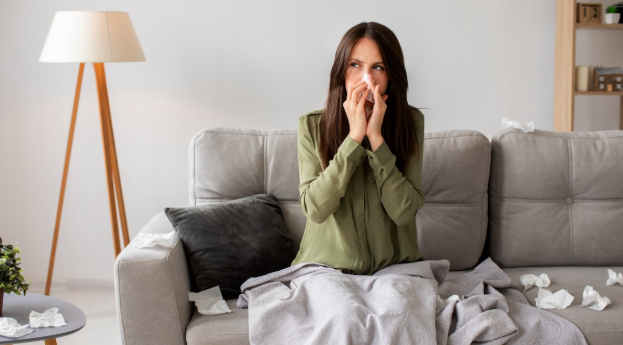
Common allergic reactions include: stuffy/runny nose, sneezing, itchy/watery eyes, coughing, wheezing, throat irritation, or skin rashes. Use OTC antihistamines, nasal corticosteroids, or saline rinses for relief; see a doctor or allergist if severe or persistent—especially with asthma flares or breathing trouble. Rare infections can hit immunocompromised folks. No proven need for “detox” from mycotoxins in home settings; focus on removal and dry conditions.
Black mold exposure feels scary, but swift action—moisture control, professional help, and symptom management—resolves most issues. In Florida’s climate, vigilance keeps homes safe; delay turns manageable problems into major ones. If symptoms don’t improve or you’re unsure, consult a doctor and get pros in fast.