Renew Your Policy: What Is The Use Of Compulsory Insurance For Cars?

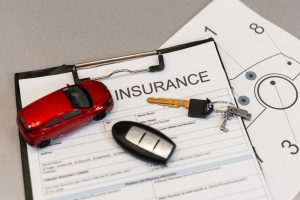
Imagine a scenario: you’re driving home, and another car unexpectedly collides with yours. The shock is immediate, followed by a flurry of questions. Who’s responsible? How will the damage be covered? What about potential injuries? In such moments, the true worth of car insurance becomes undeniably evident. Compulsory car insurance, also known as mandatory or liability insurance, is a fundamental protection for all drivers.
It’s much more than a mere formality; it’s both a financial safety net and a legal necessity. What is the use of the compulsory insurance? This article will delve into the critical functions of mandatory car insurance, explaining its importance and providing guidance on renewing your policy seamlessly.
What Compulsory Car Insurance Covers
Compulsory car insurance primarily focuses on liability coverage. This means it protects you financially if you’re at fault in an accident that causes bodily injury or property damage to others. If you cause an accident, your insurance company will cover the other driver’s medical expenses, car repairs, and other related costs, up to the limits specified in your policy. This is crucial because medical bills and vehicle repairs can be costly, and without insurance, you’d be personally responsible for paying them out of pocket.
It’s essential to understand what compulsory car insurance doesn’t cover. It typically doesn’t pay for damage to your own vehicle or your medical expenses if you’re injured in an accident you cause. For these situations, you’d need additional coverage, such as collision or comprehensive insurance. Also, compulsory insurance usually doesn’t cover things like theft, vandalism, or damage from natural disasters. Coverage requirements and specific details can vary depending on where you live, so it’s always wise to check the regulations in your jurisdiction.
Tips For Saving Money On Your Compulsory Car Insurance
While compulsory car insurance is a necessity, it doesn’t have to break the bank. Here are some practical tips to help you save money on your premiums:
- Shop Around and Compare Quotes
Don’t settle for the first quote you receive. Get quotes from multiple insurance providers to see who offers the best rates for your coverage needs. Online comparison tools can make this process easier.
- Maintain a Good Driving Record
A clean driving record, free of accidents and traffic violations, is one of the most effective ways to lower your insurance premiums. Insurers reward safe drivers with lower rates.
- Take Advantage of Discounts
Inquire about available discounts. Many insurers offer discounts for safe drivers, students with good grades, bundling policies (home and auto), having anti-theft devices in your car, and even for being a member of specific organizations.
- Increase Your Deductible
Choosing a higher deductible can lower your premiums. However, make sure you’re comfortable paying the higher deductible amount out of pocket if you need to make a claim.
- Choose Your Car Wisely
The type of car you drive can significantly impact your insurance costs. Sports cars and luxury vehicles typically have higher premiums than more practical and affordable models. Consider insurance costs when choosing a car.
- Maintain Your Car
Regular maintenance can help prevent accidents and keep your car in good condition, which can positively impact your insurance rates.
- Consider Usage-Based Insurance
Some insurers offer usage-based insurance programs that track your driving habits (mileage, speed, braking) and offer discounts based on safe driving.
- Bundle Your Insurance Policies
Combining your car insurance with other policies, such as home or renters insurance, can often result in significant discounts.
- Review Your Coverage Regularly
Periodically review your coverage to ensure you’re not paying for unnecessary extras. As your needs change, you may be able to adjust your coverage and save money.
- Improve Your Credit Score
In some jurisdictions, insurers consider credit scores when calculating premiums. Improving your credit score can potentially lead to lower insurance costs.
By implementing these strategies, you can effectively manage the cost of your compulsory car insurance without compromising on essential coverage.
Benefits Of Having Compulsory Car Insurance
The benefits of having compulsory car insurance are multifaceted. First and foremost, it provides crucial financial protection. Accidents can be incredibly costly, and without insurance, you could face financial ruin. Compulsory insurance acts as a buffer, preventing you from having to pay for everything yourself.
Navigating the Claims Process: What To Do After An Accident
Even with compulsory insurance, knowing what to do after a car accident can significantly streamline the claims process and minimize stress. Here’s a step-by-step guide:
- Ensure Safety First
The most important thing is to ensure the safety of everyone involved. Check for injuries and call for medical assistance if needed. If possible, move vehicles out of traffic to prevent further accidents.
- Call the Police
Contact the police to report the accident, especially if there are injuries, significant property damage, or disputes about who is at fault. A police report provides valuable documentation for your insurance claim.
- Exchange Information
Exchange contact and insurance information with the other driver(s) involved. Get their name, phone number, address, driver’s license number, and insurance company name and policy number. Do not discuss fault for the accident.
- Document the Scene
If it is safe to do so, take photos or videos of the accident scene, including vehicle damage, the surrounding area, and any visible injuries. Note the date, time, and location of the accident. If there are witnesses, get their contact information as well.
- Notify Your Insurance Company
Contact your insurance company as soon as possible to report the accident. Provide them with all the information you have gathered, including the police report number, photos, and contact information of the other driver(s) and any witnesses.
- Cooperate with the Insurance Adjuster
An insurance adjuster will be assigned to your case. Cooperate with them and provide any requested documentation, such as medical records or repair estimates. Be honest and accurate in your communication.
- Get Vehicle Damage Assessed
Get your vehicle damage assessed by a reputable mechanic or repair shop. Your insurance company may have preferred shops, so check with them first. Get a written estimate for the repairs.
- Keep Records
Keep detailed records of all communication with your insurance company, including dates, times, and names of individuals you spoke with. Keep copies of all documents related to the accident and your claim.
- Understand Your Policy
Review your car insurance policy to understand your coverage limits, deductibles, and any other relevant details. This will help you navigate the claims process more effectively.
- Seek Legal Advice if Necessary
If you have any concerns or disputes with your insurance company, or if the accident involved serious injuries or complex legal issues, consult with an attorney specializing in car accidents.
By following these steps, you can help ensure a smooth and efficient claims process and receive the compensation you’re entitled to under your compulsory car insurance policy.
What Happens If You Drive Without Compulsory Insurance?
Driving without compulsory insurance is a risky gamble. The legal penalties can be significant, as mentioned earlier. But beyond the fines and potential jail time, the financial risks are even more daunting. If you’re involved in an accident and you don’t have insurance, you’ll be personally liable for all the costs, including medical bills, vehicle repairs, legal fees, and any other damages. These costs can quickly escalate, potentially leading to financial hardship.
How To Renew Your Car Insurance Policy
Renewing your car insurance policy is a straightforward process. Your insurance company will typically send you a renewal notice before your current policy expires. This is a good time to compare quotes from different insurance providers to ensure you’re getting the best deal. Don’t simply renew automatically without checking other options.
Look for potential discounts, such as safe driver discounts, good student discounts, or discounts for bundling your car insurance with other policies. Renewing your policy on time is crucial to avoid a lapse in coverage. Even a single day without insurance can lead to serious consequences if you’re involved in an accident.
Understanding Your Car Insurance Policy
It’s essential to understand the terms and conditions of your car insurance policy. Familiarize yourself with standard insurance terms like deductible (the amount you pay out of pocket before your insurance kicks in), premium (the amount you pay regularly for your insurance coverage), and coverage limits (the maximum amount your insurance company will pay for a claim). Read your policy documents carefully and ask your insurance agent any questions you may have.
Conclusion
Compulsory car insurance is not just a legal requirement; it’s a vital financial safety net.
It protects you from potentially devastating financial consequences in the event of an accident and ensures that others are also protected. Renewing your policy on time and understanding your coverage are essential steps in responsible driving.
Secure Your Future On The Road
Don’t leave your financial well-being to chance. Visit www.axa.co.th today to discover a wide range of car insurance plans tailored to your specific needs and budget. Get a free quote, compare coverage options, and find the perfect protection for you and your vehicle. Drive with confidence knowing you’re backed by AXA’s reliable and comprehensive car insurance.
Frequently Asked Questions
- If I lend my car to a friend and they cause an accident, is my compulsory insurance coverage affected?
Generally, yes. In most cases, your car insurance follows the vehicle. So, if your friend is driving your car with your permission and causes an accident, your compulsory insurance would typically cover the damages to the other party, up to your policy limits. However, your rates might be affected upon renewal, and it’s essential to check your specific policy wording for details on permissive use.
- Does compulsory car insurance cover accidents involving uninsured drivers?
Compulsory insurance, by itself, usually does not cover damages caused by uninsured drivers to your vehicle or your injuries. This is why many jurisdictions offer or require additional coverage, such as “Uninsured Motorist” coverage, which specifically addresses situations where the at-fault driver lacks insurance. Check your local regulations and consider adding this optional coverage for better protection.
- I’ve been in an accident, and the other driver is claiming I’m at fault, even though I believe they are. What should I do?
Do not admit fault at the scene. Simply exchange information and notify your insurance company immediately. Provide them with all the details you have, including photos, witness information, and your account of the events. Your insurance company will investigate the accident and determine fault based on the available evidence. If necessary, they will defend you against any unfair claims.
- How does having a DUI (Driving Under the Influence) conviction affect my ability to obtain compulsory car insurance?
A DUI conviction significantly impacts your insurance options. Insurers consider drivers with DUIs to be high-risk, so it can be more challenging to find coverage, and premiums will be substantially higher. Some insurers may even refuse to cover drivers with recent DUI convictions. It’s crucial to shop around and compare quotes from different insurers specializing in high-risk drivers.
- Can I be covered by compulsory car insurance if I’m driving for work (e.g., delivering packages)?
Standard compulsory car insurance policies often exclude coverage for commercial use. If you’re using your vehicle for work purposes, you likely need a separate commercial auto insurance policy. This type of policy provides the necessary coverage for business-related driving activities. Failing to have the correct coverage could leave you personally liable for damages in case of an accident while driving for work.