Why Is Sewage Coming Up Through the Drain Outside Your House?

There are few household plumbing problems more confronting than walking outside and finding dirty water, toilet paper or sewage bubbling from a drain near the house.
The first reaction is confusion. The toilets might still flush and the kitchen sink may still empty, so why is wastewater suddenly coming out of a drain beside the garden, laundry or bathroom wall?
In many Melbourne homes, that outside fitting is an overflow relief gully, often shortened to ORG. It is part of the sanitary drainage system and is designed to give sewage a controlled place to escape if the underground sewer becomes surcharged. Unpleasant as the overflow is, it may be helping prevent wastewater from rising through a shower, toilet or floor waste inside the house.
It is a warning that the sewer line is no longer carrying wastewater normally.
That outside drain may be protecting your home
An overflow relief gully is deliberately installed outside the building and below the level of the lowest internal fixture connected to the drain. Its purpose is to provide a relief point if wastewater backs up through the sanitary drainage system.
Imagine a restriction developing in the main property sewer. Toilets, showers, sinks and appliances continue sending wastewater toward it, but the pipe cannot move the flow away quickly enough. Water begins filling the line upstream of the obstruction.
Eventually, that wastewater needs somewhere to go. If the overflow relief arrangement is working as intended, the gully can discharge outside before the level reaches a lower bathroom or laundry outlet indoors.
An overflow gully should not be sealed or buried under landscaping. It is meant to remain accessible and able to discharge. The fact that sewage is appearing there does not automatically mean the gully itself is blocked.
What happens when you use water gives you a clue
One of the most useful observations is whether the overflow changes when water is used inside the home.
If the gully is calm until somebody flushes a toilet, runs a shower or empties the washing machine, then rises or spills, the restriction is likely somewhere downstream of those fixtures. Household wastewater is reaching a blockage and backing up toward the relief point.
A continuous overflow when nobody in the property is using water can point to a different situation, including a problem further out in the sewer network. The important distinction is whether your own water use appears to trigger the overflow.
You do not need to keep testing once the pattern is obvious. Repeated flushing or running taps simply feeds more wastewater into a system that is already struggling. If sewage is rising, stop unnecessary water use and arrange for the source to be investigated.
What to do while you are waiting for help
Reduce the amount of wastewater entering the drains. Avoid unnecessary toilet flushing, showers, baths, washing-machine cycles, dishwasher use and emptying large sinks or basins.
Keep children and pets away from the overflow. Sewage can contain harmful microorganisms and should be treated as contaminated material rather than ordinary dirty water. Avoid handling waste with bare hands or walking through the affected area unless there is no safe alternative.
If the overflow appears to come from a problem within the property’s drainage, a licensed blocked drain plumber Melbourne will need to investigate it. If wastewater continues to rise even when no water is being used, the relevant water retailer may also need to be contacted to determine whether the public sewer is involved.
The blockage may be nowhere near the drain you can see
The overflow point shows where wastewater escaped, not exactly where the obstruction sits.
A blocked sewer can be caused by wipes, sanitary products, paper towel or other material that does not break down easily. Fats and oils can cool against the inside of a pipe and gradually reduce its capacity. Tree roots can enter through cracks or separated joints, then thicken and collect paper and solids.
Pipe condition matters too. Older drainage may contain displaced joints, cracks or sections that have lost their proper fall. Newer drains can still be affected by construction debris, foreign objects, poor alignment or accidental damage during landscaping and building work.
This is why a blocked sewer plumber should not assume the obstruction is directly below the overflowing grate. The restriction may be several metres away in the private sewer or, in some cases, beyond the property connection.
Clearing the sewer is only half the question
The immediate priority is restoring flow. Depending on the obstruction and pipe condition, a plumber may use mechanical equipment or high-pressure water jetting to clear the line.
Once the wastewater is moving, the more valuable question is why the blockage occurred. If roots were removed, where did they get into the pipe? If a large mass of waste collected at one point, is there a cracked joint, internal lip or sagging section that keeps catching material? If the sewer has blocked repeatedly, is the same defect still there?
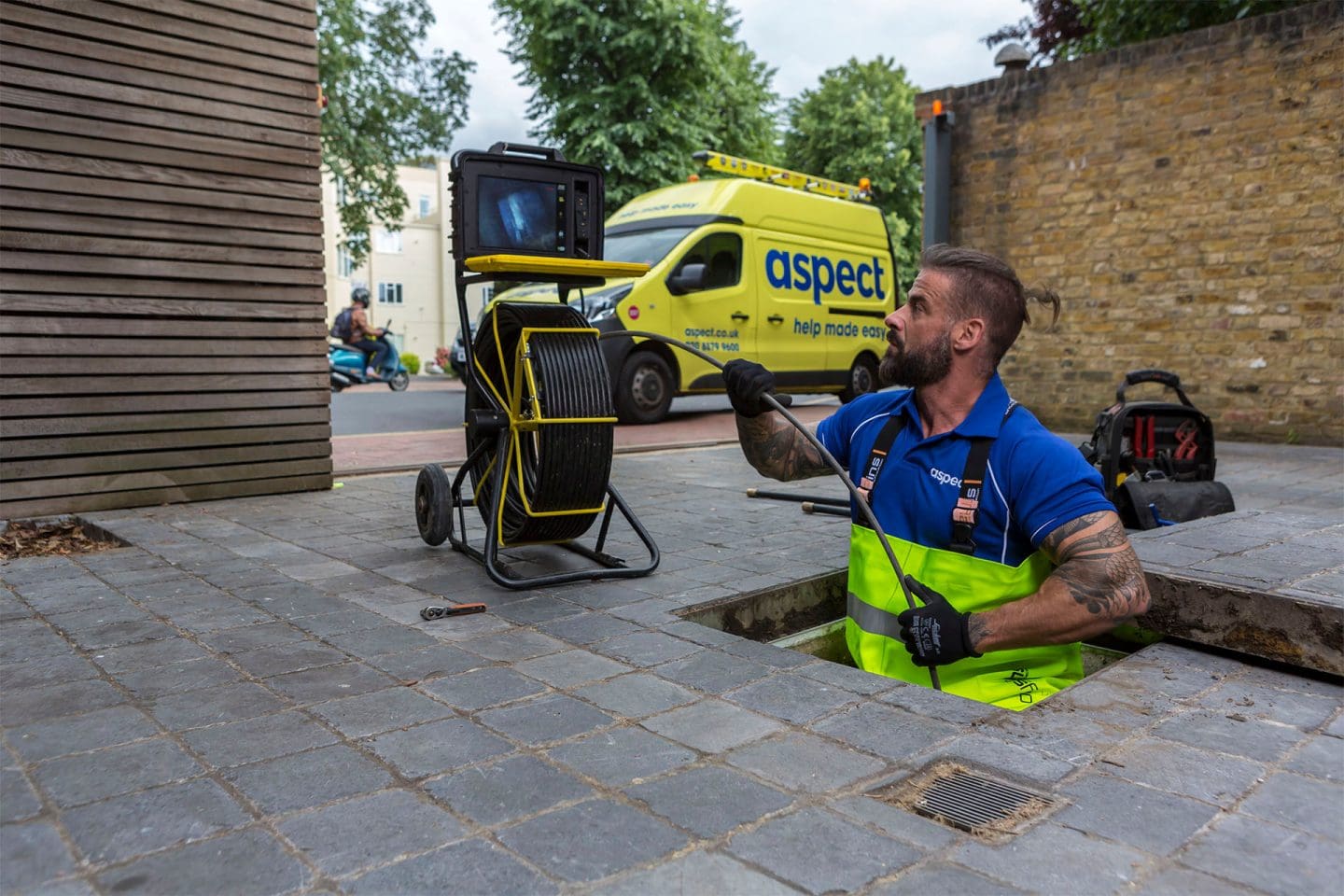
CCTV drain inspection can help answer those questions. A camera can reveal roots, foreign material, cracked pipework, displaced joints, standing wastewater or structural damage. It can also show whether the pipe is genuinely clear after the obstruction has been removed.
For a recurring problem, this distinction matters. Repeatedly clearing the same line without identifying a persistent defect can turn a repairable drainage fault into an ongoing maintenance cycle. A blocked drain plumber Melbourne homeowners call should be able to explain not only what was removed, but also what the pipe looks like afterwards.
Do not mistake the warning for the cause
Homeowners naturally focus on the place where sewage is visible. They clean around the outside drain, remove whatever they can see and assume the problem has been dealt with.
Sometimes the gully is simply doing its job. It is the messenger rather than the cause.
Once the sewer is flowing again, ask what created the blockage and whether anything in the pipe still needs attention. A one-off foreign object in otherwise sound drainage may require no further repair. Roots entering through a failed joint, a cracked section or a partially collapsed pipe are different because the condition that caused the blockage remains.
Seeing sewage outside may feel less urgent than seeing it across a bathroom floor, but both can originate from the same underlying sewer problem. Stop unnecessary water use, keep people away from the contaminated area and have the drainage route assessed before the system loses the remaining capacity that kept the overflow outdoors.