When To Witness The Great Migration And Safari In Tanzania In 2026?

Few wildlife experience matches the raw energy of the Great Wildebeest Migration. The ground shake as thousands of wildebeests moves together. Dust hangs in the air. Predators wait. In Tanzania, these moments are not planned or predictable they happen when nature decides the time is right.
That’s why knowing the Best Time To Visit Tanzania matter so much. Visit at the right moment, and you don’t just watch wildlife you feel part of it.
In 2026, understanding how the migration moves and how Tanzania’s season shape safari experience will help you witness some of the greatest natural event on Earth.
The Great Migration’s Seasonal Path
The Great Migration is not a single event. It’s a continuous journey controlled by rainfall and fresh grass, tracked closely by conservation body such as TANAPA and supported by long-term research from National Geographic and WWF.
January to March: Ndutu Calving Season
The year begin in the southern Serengeti and Ndutu region. This is calving season, when hundred of thousands of wildebeest give birth within a short period of a time. The grass is rich, the land is open, and predators stay close.
This period is not about river crossings. It’s about life at its most intense. Newborn calves learn to stand within minutes. Lion and cheetah patrol constantly. For many seasoned safari travelers, this is the most emotional phase of the Tanzania wildlife migration.
April to June: The Long Journey Begins
As rains fade, the herds start moving northwest through the Serengeti. There is movement almost every day, but nothing dramatic or rushed. This is a quiet time, ideal for travelers who want space and long game drive without crowds.
July to October: Mara River Crossings
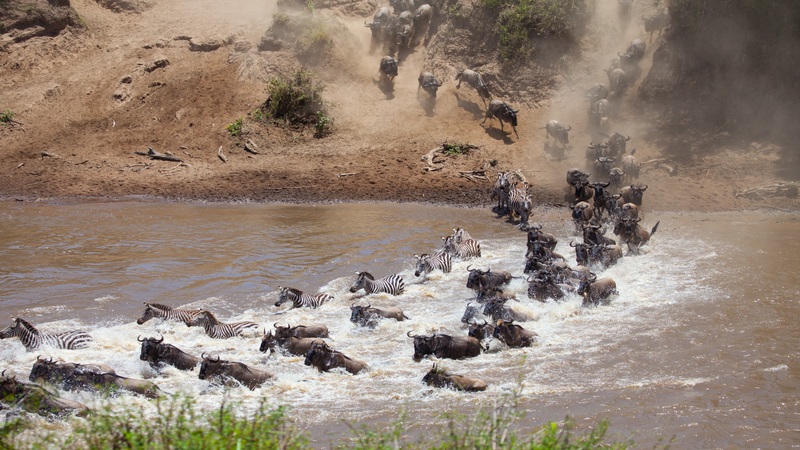
By mid-year, the migration reach the northern Serengeti. This is when the famous Mara River crossings may occur. Some days the herds wait. Other day they move all at once. Crocodiles lie in wait. Nothing is guaranteed.
This phase dominate most Serengeti migration calendars, but patience is essential. The crossings happen on nature’s schedule, not a traveler.
November to December: The Return South
As short rain begins, the herds slowly turn south again. The land refreshed, crowds thin out, and Tanzania feels calm. Wildlife remains abundant, just more spread out.
Big Five Sightings Year-Round
While the migration often steal the spotlight, Tanzania offer exceptional Big Five sighting throughout the year across its national parks.
- Lions: Seen year-round, especially in the Serengeti and Ngorongoro
- Elephants: Excellent sightings in Tarangire and Serengeti, especially during dry months
- Leopards: Most visible in dry season when vegetation thins
- Rhinos: Reliably found in Ngorongoro Crater
- Buffalo: Present in large numbers across many Tanzania safari parks
TANAPA data show that Tanzania’s wildlife density remain high regardless of season. The difference lie in visibility and movement, not presence.
Birding & Green-Season Wonders (November to April)
The green season is often overlooked, but for many travelers, it’s a hidden gem. From November to April, migratory birds arrive, landscape turn lush, and safari parks feel less pressured.
Birdwatchers will find hundred of species across Tanzania National Parks. Photographers enjoy dramatic sky and soft light. Wildlife does not disappear it simply behave more naturally, without clustering around shrinking water sources.
This season also offer better value and a slower pace, making it ideal for repeat visitors or travelers who want a deeper connection with the land.
Planning Tips for a Complete Migration Safari
A few tips that are effective in helping you plan a better Tanzania Safari:
Booking Lodges Early
Migration-focused camps, especially near river crossing point, get booked quickly. For peak months, booking well in advance is essential.
Securing Permits & Access
Park entry and conservation fees are managed by TANAPA, and proper planning ensure smooth access to key wildlife area without last-minute stress.
Combining Parks for Balance
A complete safari often combines multiple destinations:
- Serengeti for migration
- Ngorongoro for concentrated wildlife
- Tarangire for elephants and seasonal movement
This approach work well for itineraries such as a 6 Days Migration Safari in Tanzania, 7 Days Migration Safari in Tanzania, or 8 Days Migration Safari in Tanzania, allowing flexibility if wildlife movement shift.
Where to Go in Tanzania for the Migration
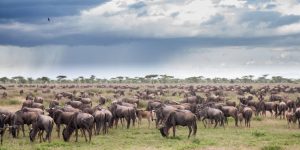
Choosing where to go in Tanzania depend on timing and expectations. Northern Tanzania remain the core migration circuit, but movement change monthly.
These regions are among the best places to visit in Tanzania for wildlife-focused trips, offering variety without long travel distance.
The Right Timing Turns A Safari Into A Story
The Great Migration does not perform on cue. It move with the rain, the grass, and instinct older than any map. That’s what make it extraordinary.
When you choose the right travel time, you don’t just see Tanzania’s wildlife you experience it at its most honest. With thoughtful planning, 2026 can place you in the middle of nature’s greatest drama, exactly when it unfold.
Book your ideal safari dates today and experience nature’s greatest drama up close.