Food Allergies in Childcare Settings: Building Safe Mealtime Practices for Young Children

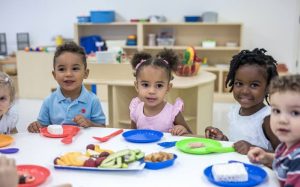
Mealtimes in early childhood settings involve much more than serving food and encouraging children to eat independently. For childcare providers, every snack and meal also presents an opportunity to maintain health, reinforce good hygiene, and accommodate individual dietary needs. Food allergies require particular attention because even a small amount of an allergen can trigger a reaction in a sensitive child. Establishing consistent safety procedures helps educators protect children while creating an inclusive environment where everyone can participate comfortably.
For families considering Daycare in West San Jose, understanding how childcare facilities approach food allergy management is an important part of evaluating their safety practices. Parents should look beyond menu options and ask how staff document allergies, prevent accidental exposure, communicate with families, and respond to emergencies. A reliable approach depends on preparation, clear responsibilities, and consistent procedures throughout the day.
Understanding Food Allergies in Early Childhood
Food allergies occur when the immune system mistakenly identifies a particular food protein as harmful and produces an allergic response. Reactions can vary considerably. Some children experience hives, itching, or swelling, while others may develop vomiting, breathing difficulties, or anaphylaxis, a potentially life-threatening reaction.
Common food allergens include milk, eggs, peanuts, tree nuts, wheat, soy, fish, shellfish, and sesame. However, children can be allergic to other foods as well.
Young children face additional risks because they may not recognize an allergen or understand how to communicate early symptoms. They may also exchange snacks, share utensils, or touch contaminated surfaces without realizing the potential consequences. This makes adult supervision and preventive routines essential.
Establishing Practical Food Allergy Safety Measures
1. Maintain Accurate Allergy Records
Every childcare facility should maintain current information about each enrolled child’s dietary restrictions and diagnosed allergies. Parents should provide relevant medical documentation, including an individualized emergency action plan when recommended by the child’s healthcare provider.
Records should clearly identify:
- Specific foods and ingredients that must be avoided.
- Known symptoms and possible reaction severity.
- Emergency medication requirements.
- Parent and healthcare provider contact information.
- Instructions for responding to an allergic reaction.
Staff members responsible for meals, snacks, classroom activities, and outdoor supervision should know where this information is kept and how to access it quickly.
2. Review Food Labels and Ingredients Carefully
Food packaging can contain multiple ingredients, including allergens that are not immediately obvious from a product’s name. Childcare staff should read ingredient labels before introducing packaged foods and check them again whenever a product or supplier changes.
Advisory statements such as “may contain” should also be taken seriously and handled according to the child’s allergy management plan and the facility’s policies.
Homemade food requires equal attention. Recipes should be reviewed for every ingredient, including sauces, spreads, baking mixes, and garnishes. When ingredient information is uncertain, the safest approach is to avoid serving the product to the affected child.
3. Prevent Cross-Contact During Food Preparation
Cross-contact happens when an allergen unintentionally transfers from one food or surface to another. Even when an allergen-free meal is prepared separately, shared equipment can create exposure risks.
Practical precautions include:
- Washing hands with soap and water before handling food.
- Cleaning preparation surfaces, utensils, and equipment thoroughly.
- Using separate, clearly identified serving utensils.
- Keeping allergen-containing foods away from designated meals.
- Avoiding shared food containers and serving dishes.
Hand sanitizer alone does not reliably remove food allergens from hands, so proper handwashing is important.
4. Supervise Mealtimes and Discourage Food Sharing
Children naturally enjoy sharing snacks, but this habit can create serious problems when allergies are involved. Educators should establish simple, age-appropriate rules explaining why children must eat their own food and avoid exchanging utensils or cups.
Active supervision is particularly important during group meals, birthday celebrations, classroom parties, and special events. Staff should verify that every child receives the correct meal rather than relying on memory or informal arrangements.
Preparing Staff for Allergic Reactions
Prevention reduces risk, but childcare providers must also be prepared to respond when exposure occurs. Staff should receive training in recognizing allergic reaction symptoms and following each child’s emergency action plan.
If anaphylaxis is suspected, epinephrine should be administered promptly according to the prescribed plan and emergency procedures. Staff should call 911 and follow medical instructions. Antihistamines are not a substitute for epinephrine in treating anaphylaxis.
Emergency medications should remain accessible to authorized staff rather than being stored somewhere that delays treatment. Regular training and practice drills can help employees understand their responsibilities under pressure.
Working With Parents to Maintain Consistent Practices
Effective allergy management requires ongoing communication between families and childcare providers. Parents should report newly diagnosed allergies, changes in medical instructions, and updated emergency medication information.
Facilities should communicate menu changes, special celebrations, and food-related activities in advance. This is especially important when children participate in cooking projects, food-based crafts, or classroom celebrations.
Families researching local childcare options can also view the facility’s location on Google Maps and arrange a visit to discuss its food safety procedures with staff.
Common Questions About Food Allergies in Childcare
Should childcare centers prohibit all allergenic foods?
Not necessarily. Policies should reflect enrolled children’s individual needs, applicable regulations, and the facility’s ability to prevent exposure. A blanket prohibition does not eliminate every allergy risk.
Can a child develop a food allergy after starting daycare?
Yes. Food allergies can become apparent at different ages. Parents should notify the facility immediately if a new allergy is diagnosed or suspected.
How often should allergy procedures be reviewed?
Records should be updated whenever a child’s medical information changes. Staff training, emergency contacts, medication availability, and food handling procedures should also be reviewed regularly.
Making Mealtimes Safer Through Consistent Practices
Food allergy management is not a one-time administrative task. It requires attention at every stage, from purchasing ingredients and preparing meals to supervising children and handling emergencies. When childcare providers establish clear procedures and maintain open communication with families, they create safer mealtime environments without unnecessarily limiting children’s participation. Consistency, staff awareness, and individualized planning remain the foundations of effective food allergy safety.


